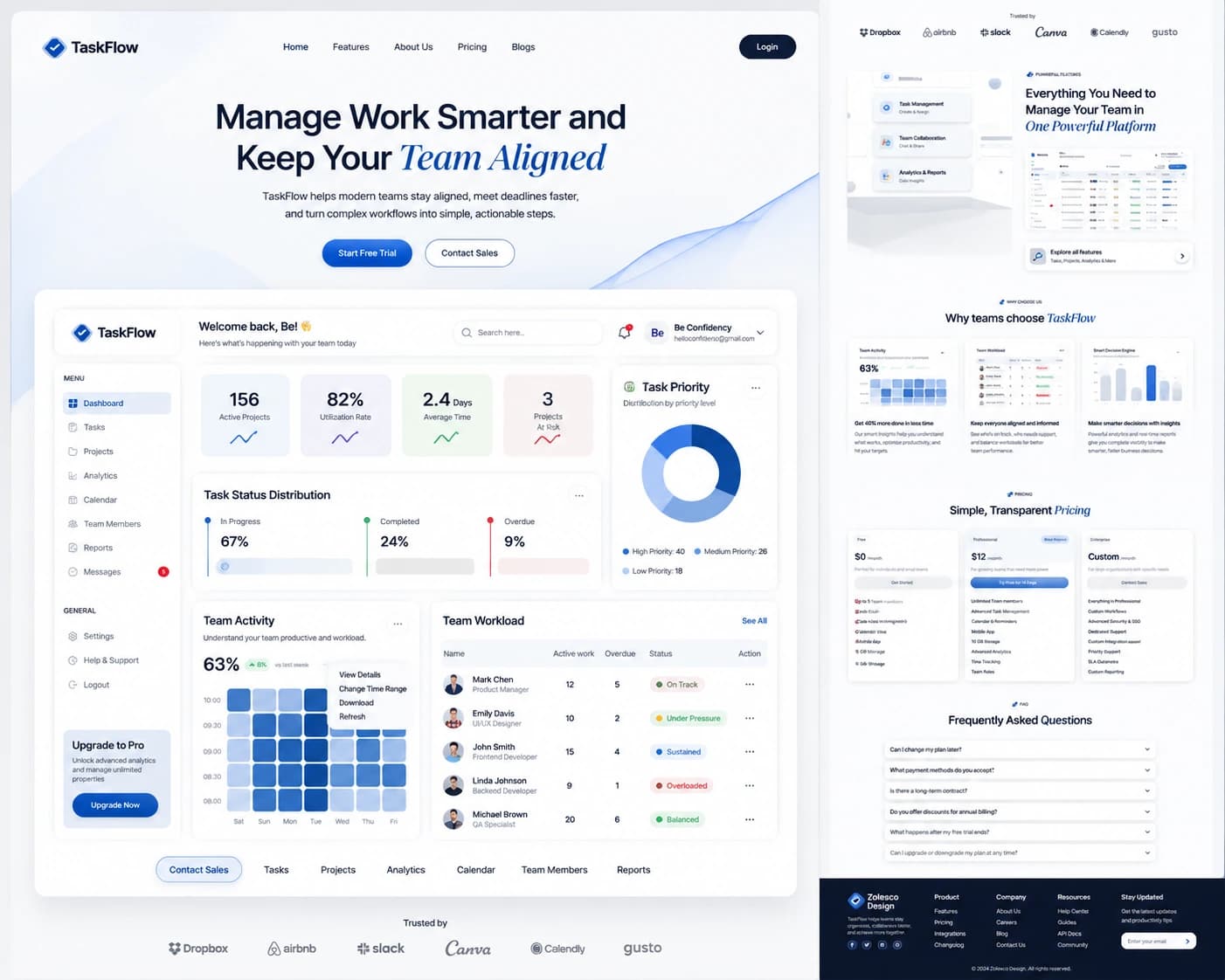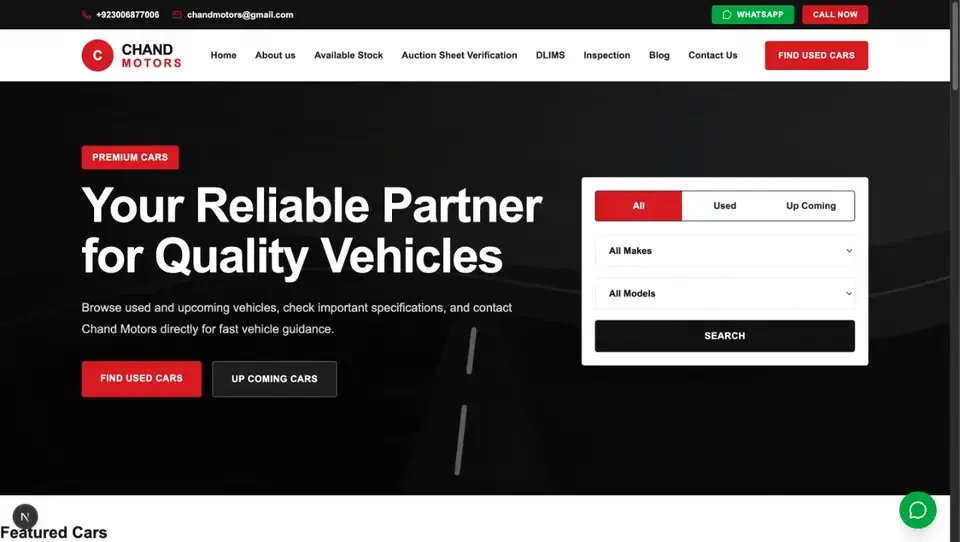
Custom Software Specialization

Dashboards and SaaS products that turn complex workflows into clear interfaces

SaaS, CRM and dashboard work is positioned as a specialization inside Custom Business Software. Zolesco first maps records, workflows, roles, reporting and integrations to decide whether an existing platform should be configured, migrated, extended or replaced; custom product work is then scoped only where that decision supports the operating model.

Best fit

Who this is built for

  • SaaS founders defining or rebuilding a product
  • Sales and service teams replacing spreadsheet-based CRM work
  • Operations teams that need dashboards and internal tools
  • Companies building role-based customer or staff portals
Business problem

What it helps solve

  • Critical records are spread across disconnected tools
  • Users need different permissions and workflow states
  • Reporting is slow or difficult to trust
  • The product needs a more usable and scalable interface system

Desired outcomes

What should change after the project

  • Give users a clearer role-aware interface for records, statuses and actions.
  • Bring important operational data into a more coherent workflow and reporting surface.
  • Reduce reliance on scattered spreadsheets and manual status tracking.
  • Create a product foundation that can evolve through controlled releases.

Price drivers

What changes the final quote

  • User roles, tenant structure, record types, workflow states and permissions.
  • Dashboard, reporting, filtering, exports and notification requirements.
  • Billing, identity, CRM, analytics or other external integrations.
  • Data migration, audit history, automation and enterprise security requirements.

Client inputs

What we need from the client

  • User groups, core jobs-to-be-done and the records each role needs to manage.
  • Examples of current reports, pipelines, statuses or spreadsheets where relevant.
  • Definitions for metrics, permissions and business rules that must be reflected accurately.
  • A product owner who can prioritize the first release and approve workflow decisions.

Proof you can inspect

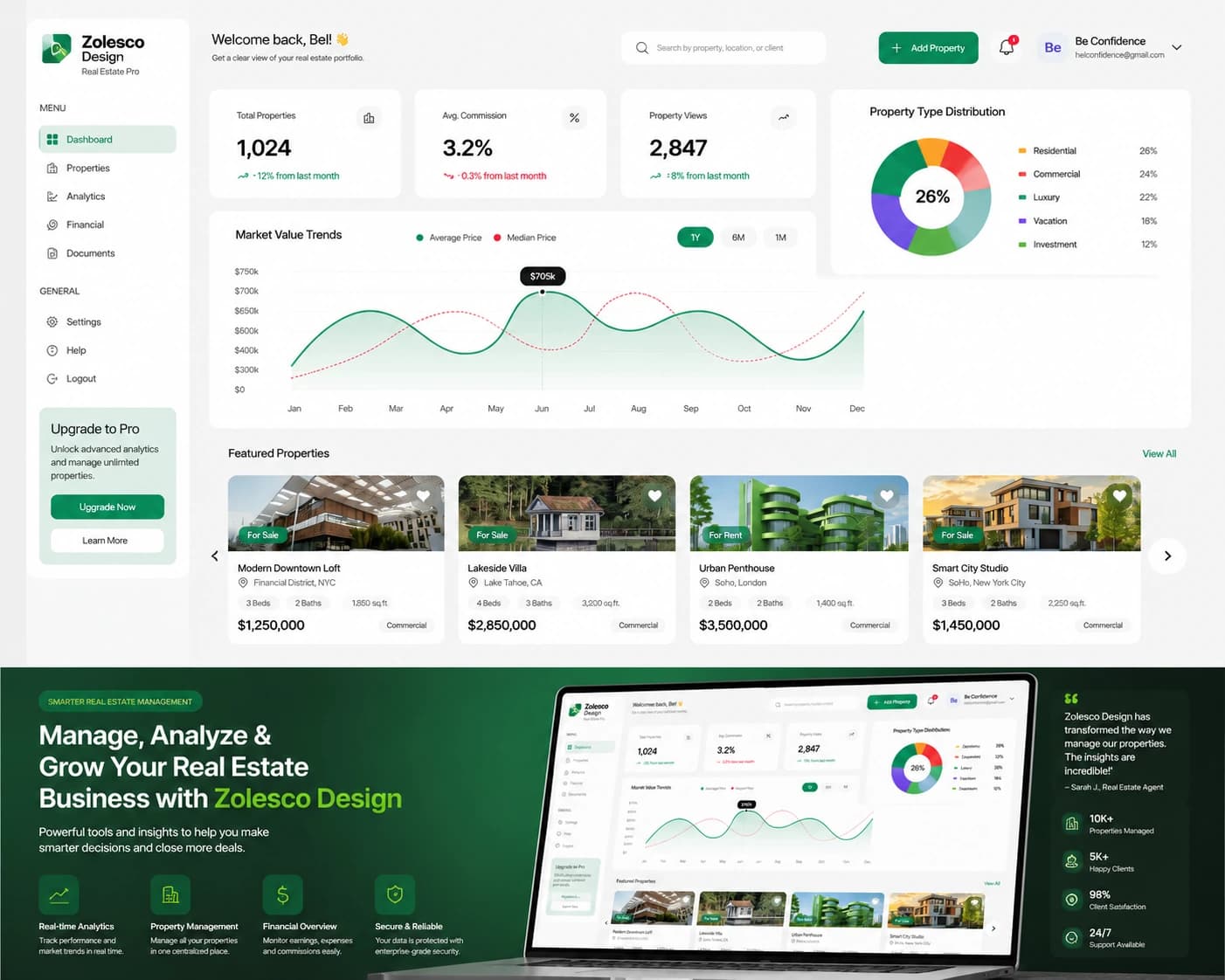
Property Analytics Dashboard

This portfolio entry is labelled Concept. It demonstrates relevant interface and product thinking without being presented as commissioned client work.

View project details

What you receive

A focused deliverable, not a vague bucket of hours.

UX flows and information architecture
Dashboard and product design system
Role-aware navigation and screens
Database-backed records, forms, filters and statuses
Approved reporting, integrations and notifications
Data-model, role/permission and migration acceptance definitions for the approved scope
Deployment and handover for the defined release

Scope boundaries

Clear expectations before development starts.

  • Multi-tenant billing, complex automation and enterprise identity integrations require explicit scope review.
  • Analytics and reports depend on the available and approved data sources.
  • Published screen-band prices are starting references, not unlimited feature commitments.

How we deliver

A visible path from scope to handover.

  1. 01

    Map users, jobs-to-be-done, records, current workarounds, permissions, reports and integrations before choosing configure, migrate, hybrid or custom replacement.

  2. 02

    Define the target data model, permission matrix, critical workflows, migration rules and acceptance criteria; prototype the core interface system.

  3. 03

    Build approved modules and connect data, validation, integrations and reporting with explicit failure/ownership boundaries.

  4. 04

    Test roles, object-level access, migrated data, business rules and critical flows, then release and govern later modules through change control.

After launch

Ownership, deployment and after launch

  • Deployment and source handover follow the agreed software terms and payment milestones.
  • Hosting, billing providers, identity services and other external platforms retain their own terms and costs.
  • Ongoing product support and new modules are separate scopes unless explicitly included.
  • Reporting quality depends on the completeness and integrity of the underlying approved data sources.

Delivery terms

The operating expectations are documented before work expands.

The delivery policy explains written scope, milestones, revisions, change control, acceptance, confidentiality, third-party dependencies, source-code handover and optional post-launch support.

Review delivery & ownership

Capability map

The core service behind this page

SaaS, CRM & Dashboard Development

Role-aware SaaS products, CRM modules, dashboards and internal tools built around real operating workflows.

Product design from $2,250

Buyer knowledge

Plan the decision before the scope call.

Authored guides cover the highest-friction buyer decisions behind this service, including comparison, scope, architecture, migration, integrations, risk, ownership and delivery planning where relevant.

All resources

Plan before you enquire

Review the planning hub, published pricing context and delivery responsibilities before starting a conversation. These pages explain scope drivers, ownership and handover without forcing a full specification into the first inquiry.

FAQ

Questions before you scope it.

The final proposal is based on the actual workflow, responsibilities and acceptance criteria—not assumptions.

Can you redesign an existing SaaS dashboard without rebuilding everything?

Yes. UI/UX redesign can be scoped independently, followed by implementation only where the existing codebase and architecture are suitable.

Can you add subscriptions or payments?

Yes, when the selected provider and business model are technically suitable. Billing logic, taxation, access rules and provider fees must be reviewed before quotation.

Do you support admin and user roles?

Yes. Role-based access, navigation, records and workflow permissions can be included within the approved application architecture. Permissions should be defined against actions and records, then tested as authorization rules rather than inferred only from what the interface hides.

Do you always recommend a custom CRM instead of Salesforce, HubSpot or another established platform?

No. A configurable platform can be the better choice when its data model, workflow, permissions, reporting, integrations and long-term operating model fit the requirement. A custom or hybrid path should be justified by concrete gaps or constraints rather than by a preference to build everything from scratch.

Product workflow next step

Start with the users, records and decisions the product must support.

Share the current workflow, the roles involved and the most important records or metrics. We will define the smallest useful release before adding secondary modules.